FORCE FEEDBACK FLIGHT SIMULATOR CONTROLLER
What is Force Feedback?
Force feedback is one of the most advanced technologies available in modern flight simulation. Rather than simply centring the flight controls using springs, a force feedback system recreates the aerodynamic forces acting upon an aircraft throughout every stage of flight.As the aircraft accelerates, climbs, descends or encounters turbulence, powerful electric motors inside the flight controls continuously adjust the resistance felt by the pilot. Instead of moving a joystick or yoke with constant pressure, the controls respond naturally to changing flight conditions, allowing you to feel what the aircraft is doing rather than relying solely on cockpit instruments.Professional flight simulators have used force feedback technology for many years because it helps pilots develop better control techniques while creating a far more realistic flying experience. Today, this same technology is becoming available for home users, aviation enthusiasts and professional training environments.
Force feedback flight controls communicate directly with the flight simulation software using real-time flight telemetry. Every second, the simulator calculates airspeed, control loading, turbulence, aircraft weight, aerodynamic forces and environmental conditions.These calculations are converted into physical resistance through precision electric motors built inside the flight controls.As airspeed increases during take-off, the controls gradually become firmer, reflecting the increasing aerodynamic loads acting upon the aircraft. During slow flight or landing, the controls naturally become lighter. When turbulence is encountered, subtle movements and vibrations can be felt through the yoke or joystick, providing valuable feedback to the pilot.Unlike conventional spring-loaded controls that always return to the centre with identical resistance, force feedback systems constantly change according to what the aircraft is actually experiencing. This creates a much closer connection between the pilot and the virtual aircraft.
How Does Force Feedback Work?
Feeling the Aircraft
Flying is about much more than looking at cockpit instruments.Real pilots constantly receive information through the controls. Small changes in resistance provide valuable clues about the aircraft's behaviour long before they become obvious visually.Force feedback allows pilots to feel:
- Changes in airspeed
- Increasing control forces
- Turbulence
- Runway vibrations
- Aircraft trim changes
- Landing flare characteristics
- Stall buffet
- Crosswind corrections
Instead of constantly analysing cockpit gauges, pilots begin responding instinctively to the physical feedback transmitted through the controls.This additional layer of information makes flying more immersive while encouraging smoother and more precise control inputs.
Why Force Feedback Matters
Every aircraft behaves differently.A light training aircraft feels very different from a large commercial airliner or a high-performance military aircraft. Force feedback helps recreate those differences by varying the resistance felt through the controls according to the aircraft being flown.During take-off, the increasing airflow over the flight controls gradually changes the control loading. During steep turns, greater control pressure may be required. Approaching a stall, the controls begin to communicate that the aircraft is reaching its aerodynamic limits. During landing, subtle changes in control forces help pilots judge the flare and touchdown more naturally.These physical sensations allow pilots to develop a better understanding of aircraft handling while significantly improving immersion throughout every flight.
Professional Flight Controls
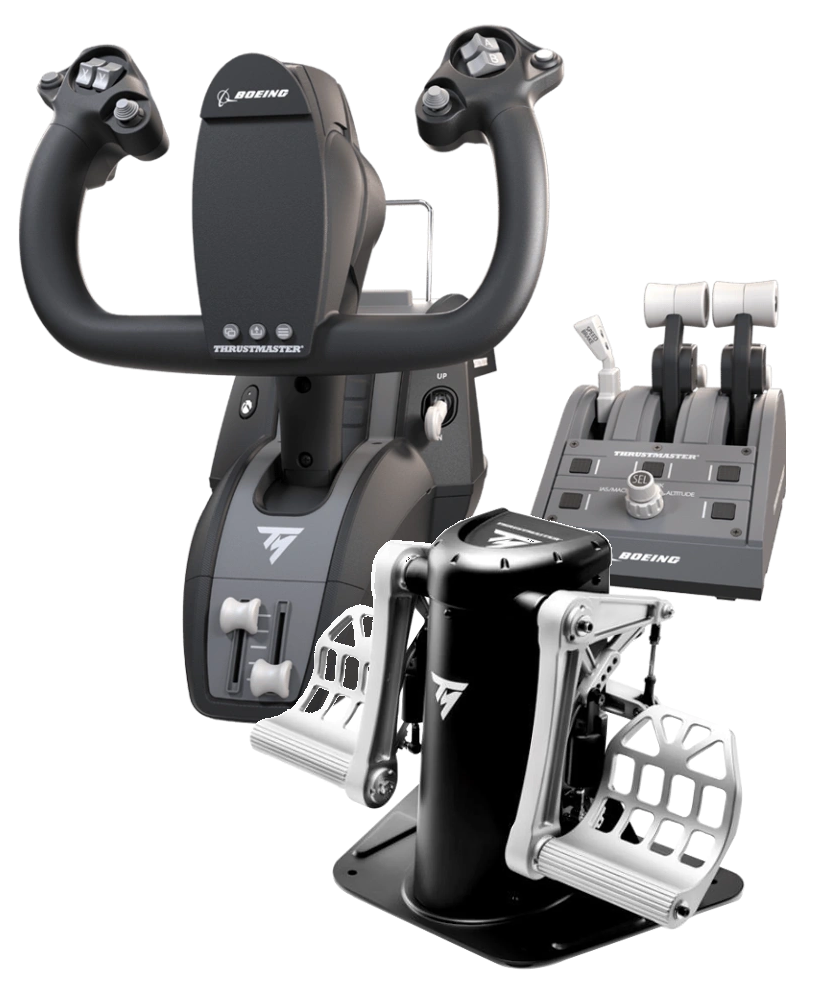
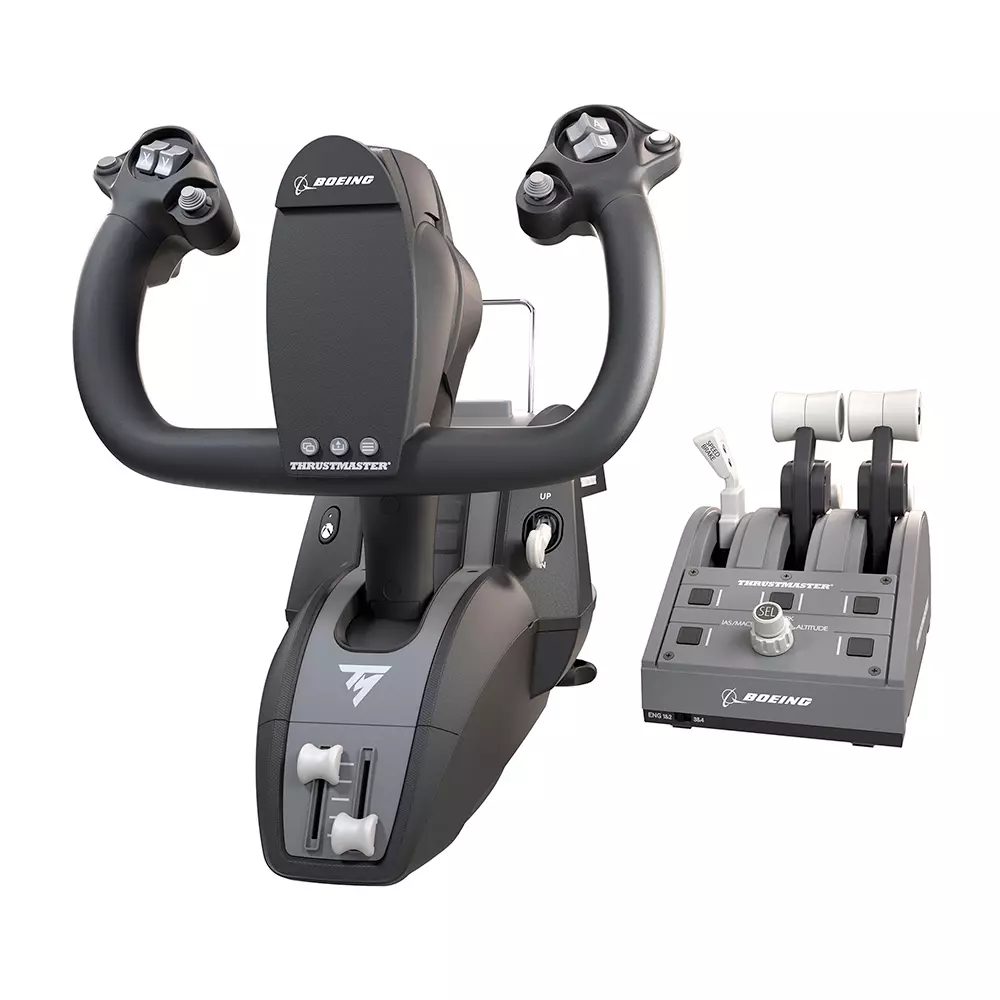
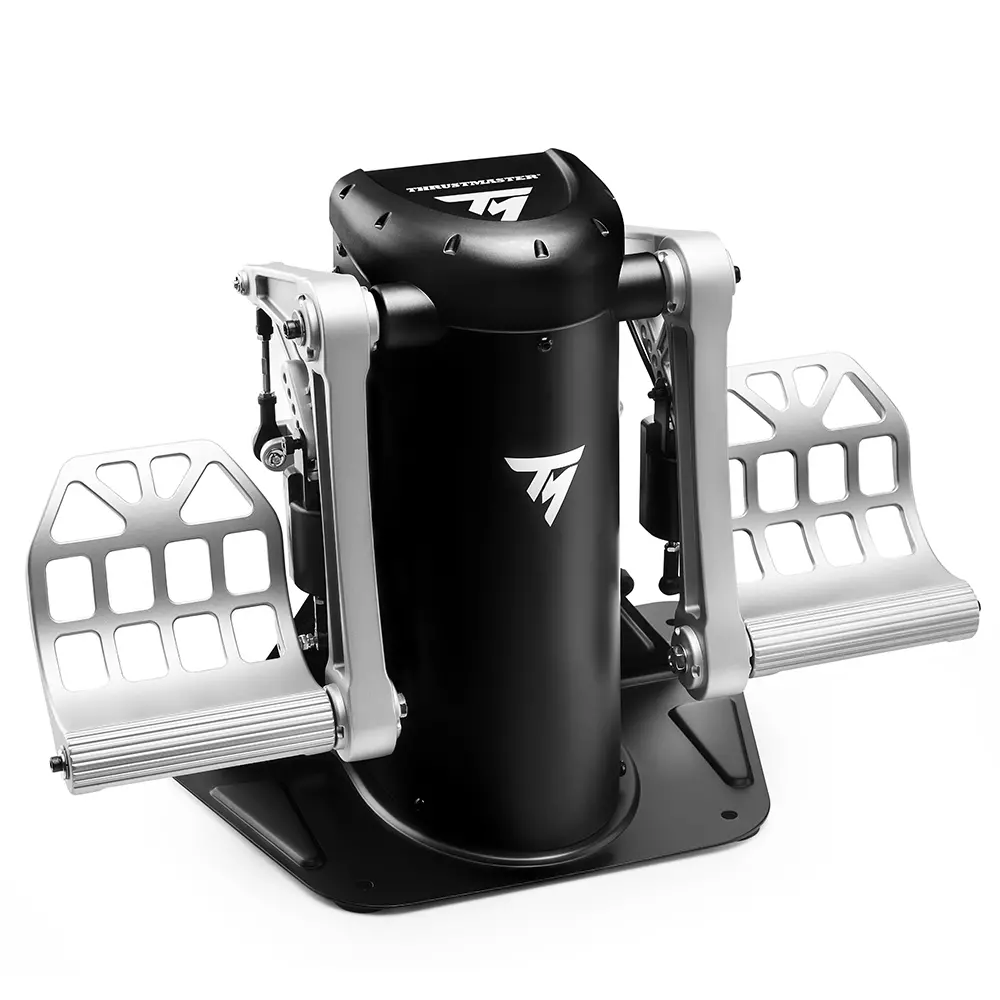
Modern flight simulators can utilise high-quality yokes, joysticks, throttle quadrants and rudder pedals designed to closely replicate those found in real aircraft.Different aircraft require different control systems. Airliners commonly use yokes, while many general aviation aircraft, helicopters and military aircraft use joysticks or flight sticks. Combined with realistic throttle controls and rudder pedals, force feedback helps reproduce the natural feel of controlling an aircraft from engine start through to landing.High-quality flight controls also provide exceptional precision, allowing small control inputs that are essential during instrument flying, final approach and crosswind landings.
Combined with Motion Simulation and Virtual Reality
Force feedback becomes even more realistic when integrated with FlightVR's motion simulation and virtual reality technology.While the motion platform reproduces acceleration, pitch, roll and landing movements, force feedback communicates the aerodynamic loads acting upon the aircraft's controls. At the same time, a virtual reality headset provides a fully immersive 360-degree cockpit with realistic depth perception.Together, these technologies engage the pilot's vision, balance and sense of touch simultaneously. Rather than simply controlling an aircraft on a computer screen, pilots experience a far more natural sense of flight that closely resembles real-world aviation.
Designed for Flight Enthusiasts and Professional Training
Whether you're practising circuit training, flying commercial airliners, exploring general aviation or mastering complex instrument procedures, force feedback significantly enhances both realism and pilot confidence.Feeling the aircraft respond naturally through the controls encourages smoother flying techniques, improves situational awareness and creates a far more immersive training environment.Combined with FlightVR's virtual reality systems, motion simulation and professional flight controls, force feedback helps bridge the gap between desktop simulation and real-world flying, delivering one of the most realistic virtual reality flight simulator experiences available.