VIRTUAL REALITY FLIGHT SIMULATOR
Virtual reality flight simulators deliver one of the most immersive experiences available in modern simulation technology, placing pilots directly inside a highly realistic virtual cockpit. Rather than viewing the aircraft through a monitor, VR surrounds the user with a fully interactive three-dimensional environment that accurately recreates the feeling of sitting in the pilot's seat.Within the FlightVR division of Forcetronic, virtual reality technology is used to create highly immersive flight simulation experiences for enthusiasts, aspiring pilots, aviation professionals, and commercial training applications. Combined with advanced flight controls and optional motion simulator platforms, VR provides a level of realism that traditional desktop simulators simply cannot match.
Experience a True Virtual Cockpit
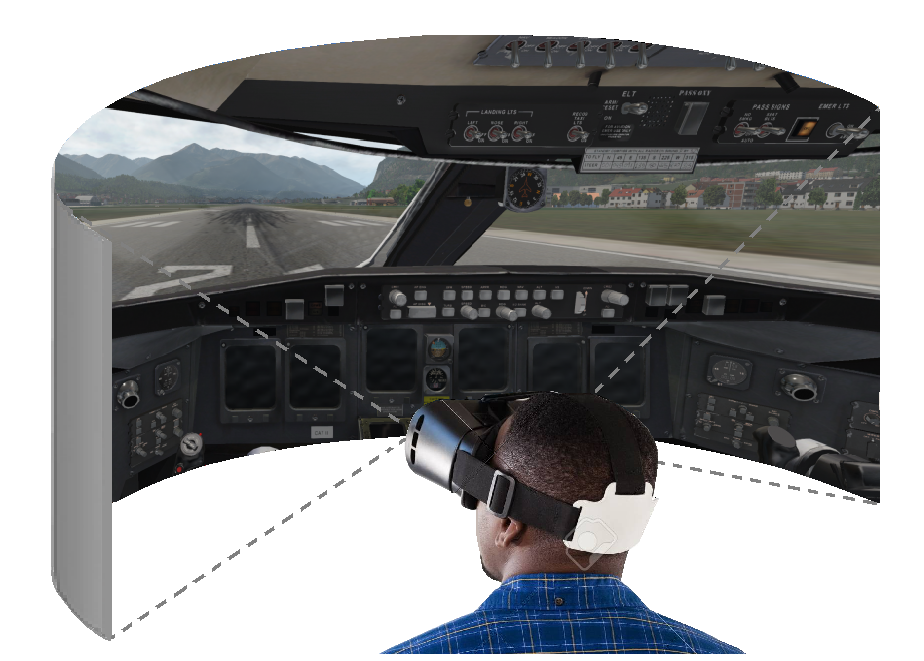
One of the greatest advantages of a VR flight simulator is the feeling of genuine presence inside the aircraft. Every instrument, control panel, switch, and window is rendered in true 3D, allowing pilots to naturally look around the cockpit exactly as they would during a real flight.Instead of being limited by the edges of a monitor, VR enables unrestricted viewing in every direction. Pilots can look over their shoulder during turns, check wing position while taxiing, monitor instruments naturally, or enjoy panoramic views during flight. This creates an immersive flying experience that feels remarkably close to operating a real aircraft.Whether flying a light aircraft, commercial airliner, helicopter, military aircraft, or aerobatic plane, virtual reality transforms simulation into a far more realistic and engaging experience.
True 3D Depth Perception
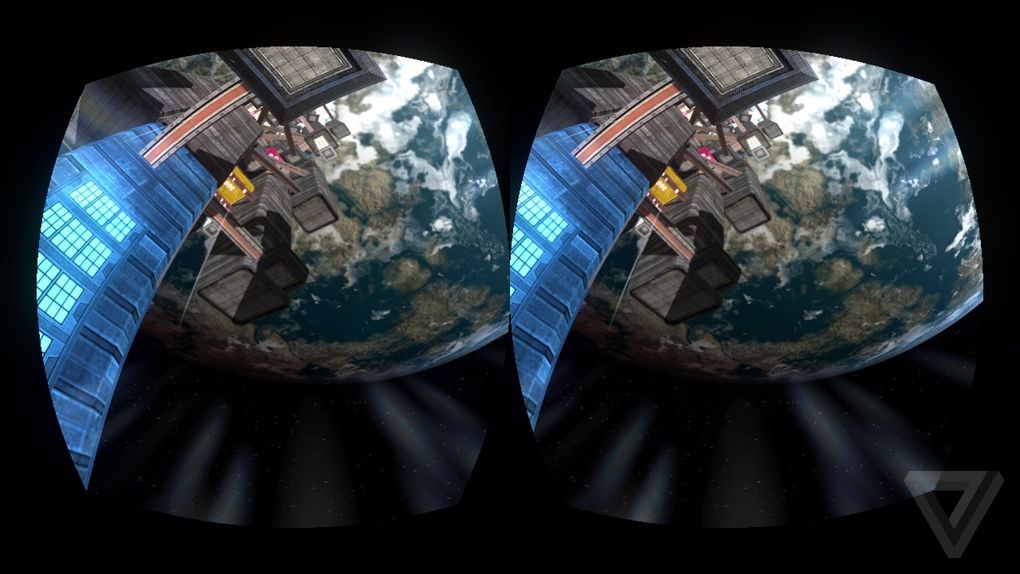
Virtual reality headsets display separate images to each eye, allowing the brain to generate natural stereoscopic depth perception. This is particularly valuable during flight, where judging height, distance, and closure rates is essential.Accurate depth perception improves:
- Judging landing flare height
- Maintaining correct glide slope
- Taxiing around airports
- Formation flying
- Air-to-air positioning
- Obstacle and terrain awareness
Unlike conventional flat-screen displays, VR gives pilots a far better understanding of spatial positioning, making manoeuvres feel more instinctive and realistic.
360° Head Tracking
Modern VR headsets feature extremely accurate six degrees of freedom (6DoF) head tracking. Every movement of the pilot's head is reflected instantly inside the virtual cockpit with virtually no noticeable delay.This allows pilots to naturally:
- Check both sides before take-off
- Scan for other aircraft
- Look around cockpit instruments
- Track runway alignment during landing
- Monitor wing clearance while taxiing
- Enjoy unrestricted views during flight
Rather than using keyboard shortcuts or joystick hat switches to change viewpoints, pilots simply move their heads as they would in a real aircraft. This intuitive interaction greatly increases immersion while improving situational awareness throughout every stage of flight.
Enhanced Situational Awareness
One of the biggest benefits of virtual reality flight simulation is improved situational awareness. Because pilots can freely observe their surroundings, it becomes much easier to maintain orientation during complex flying tasks.VR is especially useful when practising:
- Visual flight rules (VFR) navigation
- Circuit training
- Helicopter hovering
- Crosswind landings
- Mountain flying
- Airfield familiarisation
Being able to naturally look outside the cockpit encourages realistic scanning techniques and helps pilots develop better observational habits that can transfer to real-world flying. Professional training organisations are increasingly exploring VR as a supplement to traditional simulator training because of its immersive capabilities.
Spatial Audio for Greater Immersion
Modern VR systems incorporate advanced spatial audio technology that accurately positions sounds around the pilot. Instead of hearing audio from fixed speakers, engine noise, wind, cockpit alerts, and environmental sounds originate from their correct locations within the aircraft.Examples include:
- Engine sounds changing with throttle position
- Airflow increasing during higher speeds
- Landing gear operation
- Warning alarms and cockpit alerts
- Air traffic and radio communications
- Environmental weather effects
This positional sound further strengthens immersion and provides additional sensory information that complements the visual experience.
Motion Simulator Integration
While virtual reality alone provides exceptional immersion, combining VR with a motion simulator creates an even more convincing flight experience.Motion platforms replicate many of the physical sensations experienced during flight, including:
- Acceleration during take-off
- Aircraft pitch during climb
- Banking forces while turning
- Turbulence and wind effects
- Landing impact
- Taxiway vibration
When visual movement inside the headset is synchronised with physical platform motion, the brain receives matching sensory inputs that greatly enhance realism and immersion.For both entertainment and professional training, the combination of motion simulation and VR offers one of the closest experiences currently available to real-world flight.
Choosing the Right VR Headset
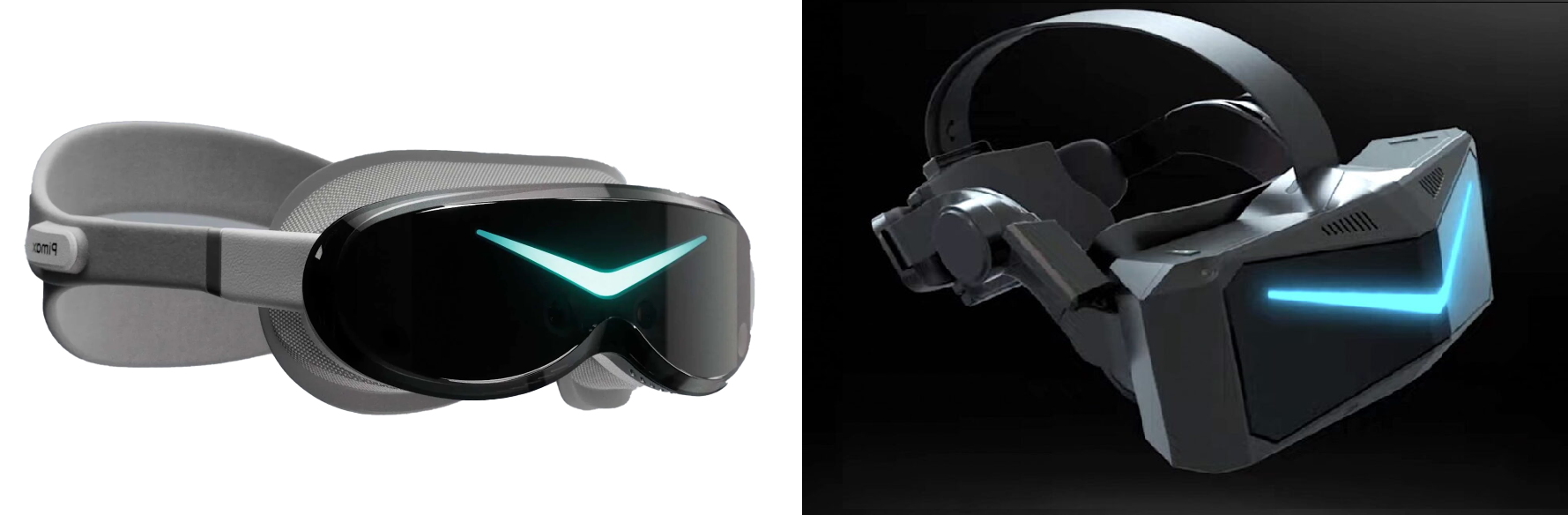
Different VR headsets offer different advantages depending on the intended application. Lightweight headsets provide excellent comfort during extended flying sessions, while higher-resolution displays improve instrument readability and cockpit clarity.Features to consider include:
- Display resolution
- Field of view
- Headset weight
- Refresh rate
- Tracking accuracy
- Comfort for long flights
The FlightVR platform supports a range of premium virtual reality headsets, including high-resolution systems from manufacturers such as Pimax and Bigscreen Beyond. This flexibility allows customers to choose the solution that best matches their performance requirements, simulator configuration, and budget.
The Future of Virtual Reality Flight Simulation
Virtual reality continues to reshape flight simulation as headset technology becomes lighter, sharper, and more powerful. Improvements in display resolution, eye tracking, graphics performance, and motion integration are making virtual cockpits increasingly realistic.Across the wider ForceTronic ecosystem—including FlightVR, RaceVR, TruckVR, and BikeVR—VR technology is helping create highly specialised simulation platforms tailored to different industries and vehicle types.As hardware continues to evolve, virtual reality flight simulators are expected to play an even greater role in pilot training, aviation education, engineering development, and home flight simulation, offering an immersive experience that closely mirrors real-world flying.
Summary
Virtual reality flight simulators combine immersive visuals, accurate 3D depth perception, full 360° head tracking, and realistic spatial audio to create an authentic flying experience. When paired with professional flight controls and optional motion simulator technology, VR enables pilots to develop natural flying techniques while experiencing the sights and sensations of being inside a real aircraft.Within the FlightVR platform at Forcetronic, virtual reality forms the foundation of a next-generation flight simulation experience designed for aviation enthusiasts, professional pilot training, engineering development, and immersive entertainment.